ENGLISH BELOW
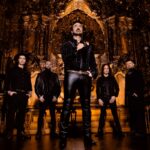
RIKET, 2026, švédska história, debutový album, death metalová kapela? Poďte sa dnes v rozhovore dozvedieť viac. Žiadne dlhé úvody, len čistá radosť z hudby.
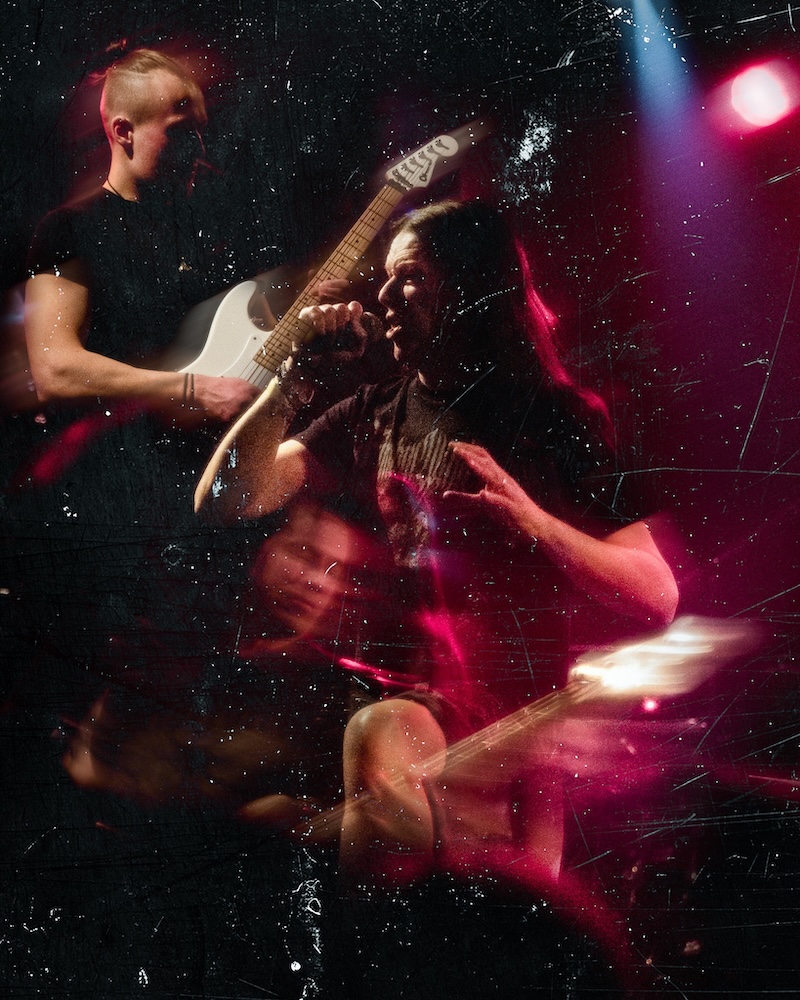
Ahojte! Paráda, že mám príležitosť vás vyspovedať. Ako sa máte?
Hej, vďaka, že ste sa ozvali! Všetko je v pohode, konečne sa zima pomaly vytráca, takže je jednoduchšie byť veselý. Máme pred sebou veľa vecí – videá, vydanie albumu a zopár fajn koncertov, takže sa nesťažujeme!
Môžeš nám rýchlo povedať, kto a čo je RIKET a čo chcete dosiahnuť s vaším debutom „2026“?
RIKET je death metalová kapela zakorenená v švédskej histórii, ale ešte viac v ľudskom zlyhaní. Nezaujíma nás idealizovanie minulosti. Zaujíma nás, čo sa pokazilo a prečo sa to stále deje. S 2026 chceme konfrontovať tieto chvíle a spraviť ich znova prítomnými, nie vzdialenými. Je tu toľko nevypovedaných príbehov, ktoré chceme zdieľať s našimi poslucháčmi.
Ako sa RIKET zformoval a aké sú hudobné pozadia členov?
RIKET vznikol ako vedľajší projekt medzi mnou a Tobiasom, len aby sme preskúmali niečo surovejšie a inštinktívnejšie než to, čo sme robili v Netherbird. Postupne sa z toho stala plnohodnotná kapela s vlastnou identitou a kompletným obsadením. Väčšina z nás je na metalovej scéne aktívna mnoho rokov, takže za zvukom je spoločná skúsenosť, aj keď naše zázemie sa líši a máme dvoch mladších chalanov, ktorí prinášajú veľa energie a nové uhly pohľadu.
Čo znamená názov kapely?
„Riket“ znamená „Královstvo.“ Odkazuje na Švédsko ako miesto, ale aj na všetko, čo sa v ňom v priebehu dlhej histórie stalo. Má geografickú aj historickú váhu.
Ktoré kapely alebo nahrávky vás najviac ovplyvnili pri písaní albumu?
Nie je to o presnom zozname vplyvov. Po desaťročiach v metale prestaneš myslieť v kategóriách kapiel a začneš myslieť inštinktom, ktorý získaš počúvaním všetkých tých skvelých albumov. To, čo vznikne, nie je referencia, je to následok všetkého, čo sme absorbovali. Snažíme sa vytvoriť niečo nové, ale je to veľmi „sfarbené“ všetkým, čo nás inšpirovalo.
Vplyvy siahajú od starých bohov ako Nihilist, Grotesque, Death až po novšie kapely ako Pantzerfaust a Kanonenfieber. Čerpáme tiež z thrashu a niekedy z punku. Pokiaľ je to nahé, surové a úprimné, pravdepodobne sa nám to páči!
Čo vás priviedlo k tomu, že ste sa rozhodli sústrediť na temnejšie momenty švédskej histórie v hudbe?
História má tendenciu sa časom čistiť. Nepohodlné časti sa zjednodušia alebo zabudnú. Nás viac zaujímajú momenty, kde sa všetko pokazí, lebo tam vidíš, z čoho sú ľudia zložený. Naším cieľom nie je oslavovať alebo posmievať sa, pozorujeme a reflektujeme, ale pridávame aj temný humor. Myslím, že schopnosť zasmiať sa na vlastných katastrofách je jedným z odpúšťajúcich črtov nášho druhu. Snažíme sa vytvoriť niečo fantastické, potom zlyháme a niektorí sa tomu zasmejú. A ideme ďalej.
Ako by ste opísali náladu a odkaz „1948: Att döda ett barn“ jednou vetou pre niekoho, kto vidí video prvýkrát?
Je to o tom, ako obyčajný moment sa môže zmeniť na niečo nezvratné, a ako to bremeno nikdy nezmizne.
Čo vás pritiahlo na príbehu Stiga Dagermana „Att döda ett barn“ ako téme pre túto pieseň?
Príbeh je veľmi jednoduchý, ale reže ako nôž. V ňom nie je únik, nie je kam odvrátiť zrak, nedá sa to zjemniť. Tá nevyhnutnosť je vzácna, a keď ju pocítiš, zostane s tebou. Jeden z tých hlbokých umeleckých kúskov, čo sa málokedy podaria.
Ako ste ten krátky, devastujúci príbeh preložili do jazyka death metalu?
Nesnažili sme sa to spraviť ťažším, než to už je. Téma nesie vlastnú váhu. Rešpektovaním štruktúry príbehu a nechaním hudby nasledovať jeho emocionálnu krivku prichádza ťažoba prirodzene.
Ako ste sa zapájali do konceptualizácie videoklipu a aké vizuálne nápady ste chceli vyjadriť?
Mal som základnú myšlienku na video. Chceli sme skombinovať naše vystúpenie s originálnym krátkym filmom a nechať tieto dve vrstvy interagovať. Stáva sa to aj poctou, aj reinterpretáciou zároveň.
Odkazovali ste priamo na krátky film z roku 1953 pri tvorbe videa?
Áno, veľmi. Film je súčasťou odkazu príbehu, takže prišli sme s ním prirodzene do vizuálneho vyjadrenia. Urobili sme niektoré strihy na pôvodný film, aby sadol tempu piesne, keďže je o pár minút dlhší, ale snažili sme sa byť úctiví k zdrojovému materiálu. Tiež sme pridali odkazy na plný text novely a krátky film pre tých, čo sa chcú hlbšie ponoriť, a dúfame, že mnohí to urobia.
Hudobne, ako ste vyvážili drvivú ťažobu s potrebou sprostredkovať nuansu a príbeh?
Ak je všetko drvivé stále, stáva sa to prázdnym. Skutočná ťažoba prichádza z kontrastu. Potrebuješ priestor, aby niečo skutočne bolelo, inak intenzita stratí zmysel.
Čo bolo najnáročnejšie pri adaptácii historicko-sociálneho komentára do metalovej piesne?
Najväčšie riziko je zmeniť niečo reálne na len ďalšiu pieseň. Príbeh už nesie váhu, takže výzva je podporiť ho bez toho, aby sa zmenil len na zábavu.
Boli v štúdiu momenty, keď ste mal pocit, že sa pieseň presunula od prerozprávania k interpretácii?
Áno, hlavne pri nahrávaní vokálov. Tam to začne byť osobné a prestane to byť len opis, stane sa to mojím hlasom, ktorý prenáša príbeh do našej prítomnosti. To nesie veľkú váhu.
Ako sa pozeráš na umelcov, ktorí používajú skutočné historické udalosti a tragédie ako inšpiráciu pre extrémnu hudbu?
Dáva to zmysel, pokiaľ sa to robí s rešpektom. Tieto príbehy sme nevymysleli. Ak na to zabudneš, len si tragédiu zarámoval ako dekoráciu, a to nie je to, o čo nám ide. Skôr chceme tieto príbehy udržať živé a relevantné aj dnes. Zo zdvorilosti sa hlavne venujeme udalostiam, ktoré sú staršie, aby sme nešpekulovali alebo nezranili ľudí, ktorí sú ešte nažive.
Príbeh údajne prinútil mnohých Švédov zmeniť svoje správanie cez noc — hrá takáto myšlienka umením vyvolanej sociálnej zmeny rolu pri tom, ako píšete?
Neočakávame, že zmeníme ľudí, ale história ukazuje, že umenie niekedy môže. Ak niečo, čo spravíme, prinúti niekoho na sekundu sa zastaviť a zamyslieť, stačí to. Nikto nemôže urobiť všetko, ale každý môže urobiť niečo.
Konzultovali ste aj s historikmi alebo inými zdrojmi o Švédsku 1948 pri tvorbe textov, alebo si sa spoliehal na originálny text a film?
Pre túto pieseň sme zostali blízko originálneho textu a filmu. Tie už obsahujú všetko potrebné. Pri niektorých iných príbehoch na ďalšom albume som mal možnosť konzultovať s historikom, hlavne kvôli inšpirácii a návrhom. Ale nakoniec to vždy píšem ja a nesiem zodpovednosť za to, čo spievam.
Ako reagovali doterajší poslucháči na pieseň a video, hlavne vo Švédsku?
Odozva bola silná. Zdá sa, že ľudia rozumejú zámeru, aj keď je téma nepríjemná. To je pre nás dôležité. Zaujímavé je, že niektorí sú stále nahnevaní alebo frustrovaní príbehom. To veľa vypovedá o tom, ako to silno zasahuje, keď to ešte po 80 rokoch provokuje. Úžasné!
Vnímate rolu RIKET ako historikov, provokatérov alebo niečo iné pri riešení národnej pamäti?
Nie sme historici a nesnažíme sa byť. Berieme reálne udalosti a interpretujeme ich cez svoj vlastný filter. Tam sa to stáva niečím viac než len informáciou. Niektoré príbehy sú temné pozorovania, ale na albume sú aj provokatívnejšie prvky.
Pre poslucháčov, ktorí nepoznajú Dagermanov príbeh, čo by si chcel, aby si odniesli po vypočutí piesne a pozretí videa?
Že malé, každodenné momenty môžu mať obrovské následky a niektoré veci sa nedajú vrátiť.
Okrem histórie, s akými témami alebo emóciami dúfate, že sa poslucháči spoja na „2026“?
Veci ako strata, nevyhnutnosť a strata kontroly. Tie nie sú viazané na históriu, sú súčasťou bytia človeka. Myslím tiež, že piesne, hoci inšpirované udalosťami zo Švédska, majú univerzálnu relevanciu. Hlad je rovnako strašný bez ohľadu na to, kde a kedy sa deje, ale rozprávame príbeh o hladomore zo severnej časti Švédska v roku 1867.
Viac skladieb na albume „2026“ skúma podobné momenty zo švédskej histórie?
Áno, každá pieseň sa buduje okolo iného momentu, kde sa niečo pokazilo. Rôzne časy, rôzne situácie, ale rovnaký vzorec, čo sa opakuje. To drží album pokope. Posledná skladba je cover, ktorý všetky príbehy vhodne spája.
Prečo sa album volá ‘2026’ a čo od neho očakávať?
Názov stavia minulosť vedľa prítomnosti. Všetky príbehy na albume sa stali dávno, ale vzorce za nimi stále existujú dnes. Nazvať ho 2026 je otázka, či sme sa naozaj posunuli vpred, alebo len opakujeme tie isté chyby v inom čase.
Čo očakávať? Zbierku reálnych udalostí, kde sa niečo rozbilo, podanú cez death metal, ktorý je agresívny, ale aj zdržanlivý, keď treba. Nie je to len o histórii, ale o uvedomovaní si.
Máte pre našich čitateľov nejaký odkaz na záver?
Veľká vďaka za prečítanie, dúfam, že stojí za to venovať našej hudbe a príbehom čas. Dúfame, že niekedy zahráme aj na Slovensku. Boli sme tam s Netherbird v 2012 a bolo to super, takže dúfame, že sa vrátime!
Ďakujem za váš čas.
ĎAKUJEME!
RIKET: ‘We are interested in what went wrong, and why it keeps happening.’
RIKET, 2026, Swedish history, debut album, death metal band? Let’s find out more in our today’s interview. No long introductions, just pure joy of music.
Hello guys! So nice to have this opportunity to interview you. How are you?
Hey, thanks for reaching out! All is quite well, finally the winter cold is slowly leaving so now it is a bit easier to be cheerful. We do have a lot of things coming up with videos, the album release and some nice gigs booked, so we do not complain!
Can you give us a quick rundown of who RIKET are and what you’re aiming to do with your debut album „2026“?
RIKET is a death metal band rooted in Swedish history, but more importantly in human failure. We are not interested in glorifying the past. We are interested in what went wrong, and why it keeps happening. With 2026, the aim is to confront those moments and make them feel present again, not distant. There are so many untold stories that we feel we want to share with our listeners.
How did RIKET form and what are each member’s musical backgrounds?
RIKET started as a side project between me and Tobias, just to explore something rawer and more instinctive than what we were doing together in Netherbird. Over time it grew into a full band with its own identity and a full lineup. Most of us in RIKET has been active in the metal scene for many years, so there is a shared experience behind the sound, even if our backgrounds differ and we have two younger guys who joined who also bring a lot of energy and new angles to what we are creating together.
What does the name of your band mean?
“Riket” means “The Kingdom.” It refers to Sweden as a place, but also to everything that has happened within it over our long history. It carries both a geographical meaning and a historical weight.
What bands or records were most influential while you were writing the album?
There is no clear list of influences. After decades in metal, you stop thinking in terms of bands and start thinking in terms of the instinct you get from listening to all those great albums. What comes out is not a reference, it is a consequence of everything we have absorbed over the years. We try to create something new, but it is so very “coloured“ by all the things that have inspired us.
Influences range from old gods like Nihilist, Grotesque, Death to more recent bands such as Pantzerfaust and Kanonenfieber. We also draw inspiration from thrash metal and even some punk acts. As long as it is naked, raw and honest, chances are we like it!
What was the spark that led you to turn Sweden’s darker historical moments into the focus of your music?
History tends to clean itself up over time. The uncomfortable parts get simplified or forgotten. We are more interested in those moments where things fall apart, because that is where you see what people are made of. Our aim is not to celebrate or to gloat, we observe and we reflect but we also add a sense of dark humour to it all. I think our ability to laugh at our own catastrophes is one of the more forgiving aspects of us a species. We try so hard to make something fantastic, then we fail miserably and then we (or at least some people) laugh at it. Then we tried again.
How would you describe the mood and message of „1948: Att döda ett barn“ in one sentence for someone seeing the video for the first time?
It is about how an ordinary moment can turn into something irreversible, and how that weight never leaves.
What drew you to Stig Dagerman’s “Att döda ett barn” as the subject for this song?
The story is so very simple but also cuts like a knife. There is no escape in it, no way to look away, no way to soften it. That kind of inevitability is rare, and once you feel it, it stays with you. One of those profound pieces of art that are so very rare.
How did you translate that short, devastating story into the language of death metal?
We did not try to make it heavier than it already is. The subject carries its own weight. By respecting the structure of the story and letting the music follow its emotional curve, the heaviness comes naturally.
How involved were you in conceptualizing the music video, and what visual ideas did you want to get across?
I had the core idea for the video. We wanted to combine our performance with the original short film, letting the two layers interact. It becomes both a tribute and a reinterpretation at the same time.
Did you reference the 1953 short film directly when making the video?
Yes, very much so. The film is part of the legacy of the story, so it felt natural to bring it into the visual expression. We did some edits to the original short film to pace it with the song and since it is a few minutes longer, but we tried to be respectful to the source material. We have also included links to both the full text version of the novella and the short movie for those who want to dig deeper and we hope many will.
Musically, how did you balance crushing heaviness with the need to convey nuance and narrative?
If everything is crushing all the time, it becomes empty. Real heaviness comes from contrast. You need space for things to actually hurt, otherwise the intensity loses meaning.
What was the most challenging part of adapting a piece of historical/social commentary into a metal song?
The biggest risk is turning something real into just another song. The story already carries weight, so the challenge is to support it without reducing it to entertainment.
Were there any moments in the studio where you felt the song shifted from being a retelling to an interpretation?
Yes, especially during the vocal recordings. That is where it becomes personal and stops being just a retelling, it becomes my voice carrying the story into our present time. So that of course comes with a sense of weight.
How do you feel about artists using real historical events and tragedies as inspiration for extreme music?
It makes sense as long as it is done with respect. These are not stories we invented. If you forget that, you are just using tragedy as decoration, and that is not something we are interested in, our aim is rather to keep these stories alive and relevant even today. Out of respect we mainly deal with events that lie further back in time in order not to speculate or cause any grief to people still alive.
The story reportedly made many Swedes change their behavior overnight — does that idea of art-induced social change factor into how you write?
We do not expect to change people, but history shows that art sometimes can. If something we do makes someone pause for a second and think, that is already enough. No one can do everything, but everyone can do something.
Did you consult historians or sources about 1948 Sweden while crafting the lyrics, or rely on the original text and film?
For this song, we stayed close to the original text and the film. They already contain everything needed. But for some other stories that will come on the next album I have the chance to discuss some topics with a historian, but mainly for inspiration and suggestions. But in the end it will always be me writing and taking responsibility for what I sing.
How have audiences reacted so far to the song and video, especially in Sweden?
The response has been strong. People seem to understand the intention, even when the subject is uncomfortable. That is important for us. The funny thing is that some people still get angry and frustrated by the story. That does say a lot about how hard it hits when it still provokes 80 years later. Amazing!
Do you see RIKET’s role as historians, provocateurs, or something else when tackling national memory?
We are not historians and we are not trying to be. We take real events and interpret them through our own lens. That is where it becomes something more than just information. Some stories are dark observations but there are also some more provocative elements on the album.
For listeners unfamiliar with the Dagerman story, what do you hope they take away after hearing the song and watching the video?
That small, everyday moments can carry enormous consequences, and that some things cannot be undone.
Outside of history, what themes or emotions do you hope listeners connect with on „2026“?
Things like loss, inevitability, and lack of control. Those are not tied to history, they are part of being human. I also think that the songs, despite being mainly inspired by events in Sweden, have a universal relevance. Starvation is equally awful despite where och when it happens but the story we tell about famine from the northern part of Sweden during the year 1867.
Will other tracks on the album „2026“ explore similar moments from Swedish history?
Yes, every song is built around a different moment where something went wrong. Different times, different situations, but the same pattern repeating itself. That is what ties the album together. The last song is a cover that ties all the stories together in a suitable way.
Why is it called ‘2026’ and what to expect?
The title places the past next to the present. All the stories on the album happened long ago, but the patterns behind them still exist today. Calling it 2026 is a way of asking if we have really moved forward, or if we are just repeating the same mistakes in a different time.
What to expect is a collection of real events where things broke down, told through death metal that is both aggressive and restrained when needed. It is not just about history, it is about recognition
Any last words for our readers?
Many thanks for reading this, I hope you find it worth your time to listen to our music and the stories we tell. Hopefully we will also be able to play in Slovakia some day. We were there with Netherbird in 2012 and had a wonderful time, so we hope to return!
Thank you for your time.
Thank YOU!