
ENGLISH BELOW
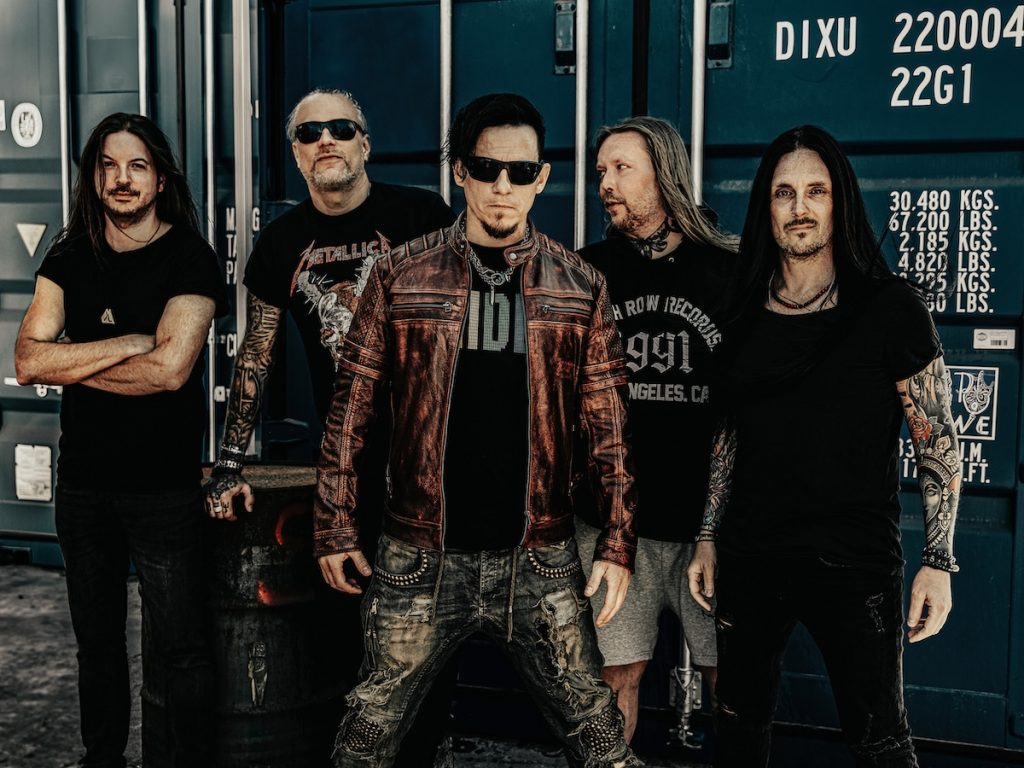
Pre Jakea E sa CyHra stala viac než len ďalším projektom – je to moment, keď do seba všetko konečne zapadlo. Medzi produkciou, herectvom a vedením viacerých vlastných projektov sa návrat ku kapele dnes podobá návratu domov. Na albume Requiem for a Pipe Dream je tento pocit jasne cítiť: osobnejší prístup k textom, vybrúsenejší zvuk formovaný aj po vydaní singlov a obnovená túžba znovu sa presadiť na koncertných pódiách. V rozhovore, ktorý osciluje medzi hlbokou reflexiou a surovou otvorenosťou hovorí Jake E o raste, tlaku a o tom, prečo už písanie hudby pre niekoho iného neprichádza do úvahy.
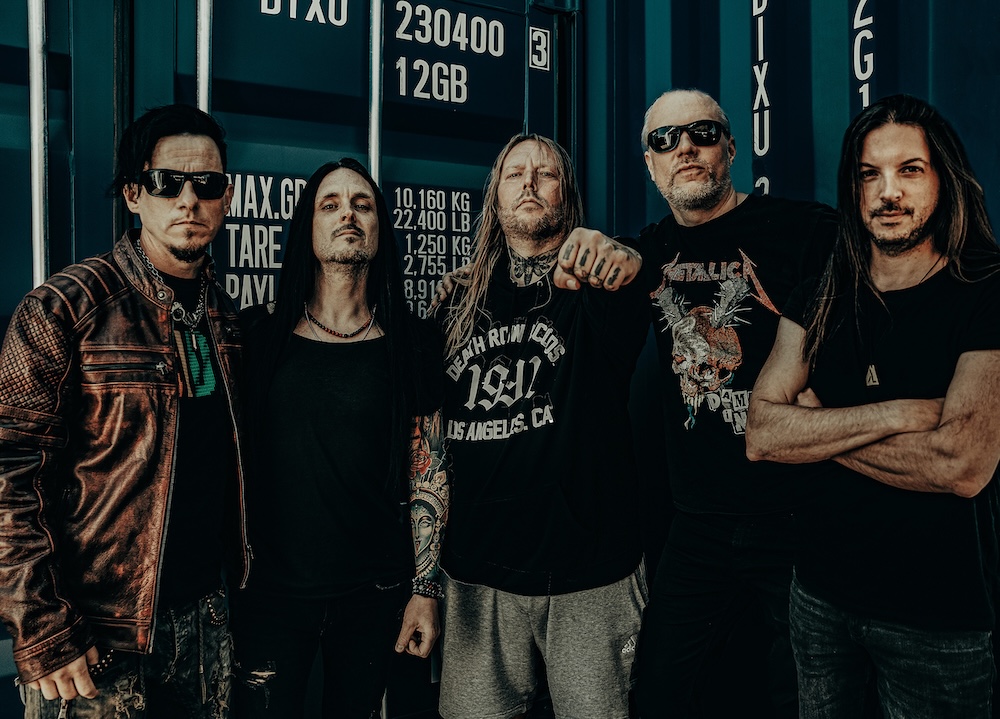
Vydávate nový album Requiem for a Pipe Dream, ktorý je opisovaný ako dielo vzniknuté počas obdobia neistoty a prestavbou. Bol nejaký konkrétny moment, keď ste si uvedomili, že sa z neho stáva niečo osobnejšie a reflexívnejšie?
Celá tá vec s „prestavbou“ prišla po našom poslednom albume, ktorý vyšiel tesne po pandémii. Uvedomili sme si, že máme dobrý album, ale úplne sa stratil v prázdnote – každý vydával albumy a vyrážal na turné a bolo extrémne náročné získať koncerty. Všetko sa nám jednoducho zosypalo pod nohami.
Trvalo nejaký čas, kým sme sa z toho dostali. Keď sme začali písať tento album, rozhodli sme sa počas celého roku 2025 priebežne vydávať single. Polovica albumu je už vonku ešte pred jeho vydaním. Počas procesu skladania sa však niečo zmenilo. Zvyčajne si sadnete a premýšľate nad tým, aký album chcete vytvoriť, ale tentoraz som sa rozhodol jednoducho písať piesne, ktoré sa páčia mne osobne.
Z nejakého dôvodu sa texty stali veľmi osobnými. Predtým som často písal z perspektívy iných ľudí – náš prvý album bol o Jesperovom príbehu a pokračovalo to aj na No Halos in Hell. Tentoraz som sa však viac otvoril a písal som o vlastných pocitoch a úvahách nad tým, čo sa práve deje vo svete.
Keď je album hotový, ako sa naň pozeráš+ ako na celok?
Som naň veľmi hrdý. Nedávno som ho počúval v aute a niektoré skladby mi doslova vyrazili dych – najmä tie, ktoré som už dlhšie nepočul. Bolo to niečo ako: „Do kelu, toto sme naozaj spravili?“ Som naň veľmi hrdý.
Veľmi spokojný som aj s produkciou. Náš gitarista robil celý mix a mastering albumu mal na starosti Jacob Hansen, zatiaľ čo single boli samostatne masterované Maorom Appelbaumom.
Za zmienku stojí aj to, že albumové verzie sa líšia od singlov – veľa vecí sme totiž znovu nahrali, aby sme dosiahli jednotnejší zvuk.
Takže nešlo len o remastering – skladby boli skutočne znovu nahrané?
Áno, pomerne veľká časť bola nahraná nanovo. Všetky bicie, veľa gitár, zatiaľ čo väčšina vokálov zostala rovnaká.
To je výhoda skorého vydávania singlov. Prvý singel vyšiel už v januári 2025, takže máš čas zamyslieť sa a veci vylepšiť. Keď niečo vydáš rok pred albumom, začneš si hovoriť: „Toto by sme mohli upraviť, tamto by sme mohli zmeniť,“ a potom sa k tomu vrátiš a doladíš to. Samozrejme, mohlo sa to celé pokaziť a mohli sme tie skladby zničiť, ale rozhodli sme sa ísť touto cestou.
Najnovší singel Bleed with Pride je o prijatí rán minulosti a osobnom raste. Z akej pozície si ho písal? Bola to pozícia sily alebo skôr mantra, ktorú si v tom období potreboval sám pre seba?
Celá skladba je pre mňa veľmi osobná a úprimne sa mi nechce zachádzať do detailov, o čom konkrétne je.
Je o veciach v tvojom živote, ktoré ťa prenasledujú a tlačia dole. Je o nastavení mysle, ktoré si musíš vytvoriť, aby si si uvedomil, že minulosť je minulosť a využil ju ako určitú silu na posun dopredu namiesto toho, aby si v nej zostal uväznený a ľutoval sa.
Jednoducho povedané, ide o využitie negativity na niečo pozitívne.
Pokiaľ ide o CyHra, balansujete medzi melódiou a tvrdosťou. Je to pri písaní vedomé rozhodnutie, alebo to prichádza prirodzene?
Pri tomto albume to bolo vedomé rozhodnutie. Chcel som viac energie v základoch – viac hĺbky v gitarách, viac moderného amerického zvuku. Nikdy sme však nechceli stratiť melodickú stránku. To je kľúčová súčasť CyHra.
Refrény sa musia na teba nalepiť ako žuvačka – musia ti zostať v hlave. Mal by si si vypočuť skladbu od CyHra a o päť minút by ti stále mala hrať v mozgu. Nezáleží na tom, aká tvrdá skladba je – vždy by si po nej mal mať ten chytľavý pocit ako pri ABBA.
Niektoré skladby žijú alebo zomierajú na pódiu. Sú na novom albume také, pri ktorých si obzvlášť zvedavý, ako budú fungovať naživo?
„Mark of My Sins“. To je moja najobľúbenejšia skladba, akú som kedy vytvoril, pravdepodobne moja najlepšia. Marcus prišiel s riffom a melódiou a okamžite som si ju zamiloval. Nikdy sme ju však nehrali naživo, takže naozaj dúfam, že bude fungovať aj v tomto prostredí. Dúfam, že sa stane skladbou, ktorá zapadne do koncertného setlistu, ale ako si povedal, životnosť skladby závisí od toho, ako funguje naživo.
Na druhej strane som videl skladby, ktoré milujem, ale naživo nefungujú. Napríklad „Dark Clarity“ je fantastická, ale na pódiu jednoducho nefunguje. Rovnako „Dead to Me“. Niektoré skladby sa jednoducho nehodia do koncertného prostredia.
A potom máš opačný prípad – „Out of My Life“. Takmer sme ju ani nenahrali, pretože sa nám spočiatku nepáčila. Vydavateľstvo ju však presadilo ako prvý singel a dnes ju musíme hrať naživo. Nemohli by sme bez nej odohrať koncert.
Na albume máte aj hlbšie skladby ako „In the Center of a Miracle“ alebo „Ghost I’m Meant to Be“. Tie môžu byť náročnejšie na zaradenie do koncertného setu. Tvoja kariéra pred CyHra bola postavená na „sladších popovejších“ skladbách a baladách. Je dnes jednoduchšie alebo ťažšie hrať takéto skladby naživo?
Áno, to sú skôr skladby, ktoré si pustíš doma, keď sa cítiš zle a potrebuješ povzbudiť. Nie vždy fungujú naživo.
Napísal som skladbu o smrti môjho brata a nebol som si istý, či bude fungovať na koncertoch – ale funguje. Keď ju hrám, privádza ma k slzám a publikum sa vďaka tomu s ňou dokáže prepojiť. Ľudia si ju dokonca pýtajú.
Balady sú však zložité. Zvyčajne fungujú lepšie na dlhších samostatných koncertoch, kde môžeš na chvíľu spomaliť, zmeniť energiu. Na festivaloch už až tak nie.
Hudba CyHra, podobne ako pri väčšine moderných metalových kapiel, je pomerne silno postavená na produkcii. Aké náročné je preniesť ju na pódium, kde je zvyčajne podávaná v surovejšej forme?
Je to veľmi náročné. Máme však úžasný tím. Náš front-of-house zvukár Arnold Lindberg spolupracoval s kapelami ako In Flames či Ghost. Je fantastický v tom, aby živý zvuk znel čo najbližšie k albumu.
Na konci dňa si závislý od profesionálov okolo seba. Môžeš hrať dokonale, ale stále potrebuješ niekoho, kto vie tento zvuk správne doručiť publiku.
Pokiaľ som pozeral správne, zatiaľ nie sú oznámené plány na turné k albumu. Môžeš už teraz prezradiť niečo o koncertných plánoch?
Áno, určite. Celá situácia s bookingom po pandémii bola komplikovaná – agentúry sa najprv sústredili na najväčšie mená, takže sme boli trochu zaseknutí. Ale vraciame sa späť.
Toto leto máme festivaly vo Švédsku a v septembri a októbri vyrážame na turné s Dead by April – približne desať koncertov vo Fínsku a ďalších krajinách. Ďalšie termíny budú oznámené.
Úprimne však veľa závisí od toho, ako bude album prijatý. Ako kapela musíme dokázať, že máme čo ponúknuť a ľudia nás musia chcieť vidieť hrať. Je to trochu situácia na štýl Hlavy 22 (román Josepha Hellera, pozn. autora), ale ak sa ľuďom tento album bude páčiť, koncerty nejak prídu samé. Tak to jednoducho funguje. Plán je však určite vyraziť na cesty.
Dostanete sa aj do strednej alebo východnej Európy?
Určite. Európa je rozhodne súčasťou plánu. Chcem sa tiež vrátiť do Severnej Ameriky a Japonska. Všetko však bude trochu oneskorené. Album vychádza na začiatku leta, čo je festivalová sezóna, takže si myslím, že veci sa naplno rozbehnú na jeseň.
Vnímaš svoju hudbu viac ako osobné vyjadrenie alebo ako určitú formu terapie, ktorá sa napokon stala hudbou?
Jednoznačne ju vnímam ako kreatívny ventil. Problém je v tom, že robím omnoho viac vecí než len CyHra. Venujem sa herectvu, produkujem, skladám hudbu pre filmy, vediem vlastnú manažérsku spoločnosť a práve som spustil úplne novú službu na distribúciu hudby na streamovacie platformy, ktorá bude mimochodom oveľa lepšia než to, čo ponúka konkurencia.
Takže keď príde na rad CyHra, popri všetkých tých ostatných aktivitách okolo hudby, poviem si len: „Konečne si môžem sadnúť a písať hudbu! To je moja skutočná práca!“ (Smiech)
Vaša hudba aj komunikácia na sociálnych sieťach pôsobia často až motivačne. Je to zámer?
To je veľmi dobrá otázka a áno. Vždy sa snažím písať texty tak, aby ľudí povzbudili. Napísal som veľa skladieb o ťažkých témach, ako je samovražda. Cieľom je vždy ukázať, že existuje zajtrajšok – že veci sa môžu zlepšiť.
Chcem, aby za seba ľudia bojovali bez ohľadu na to, čím prechádzajú. Či už ide o násilný vzťah alebo niečo iné, chcem, aby im moja hudba pomohla uvedomiť si, že sa z toho môžu dostať.
Najväčšou odmenou pre hudobníka nie sú sláva ani peniaze – ale moment, keď ti niekto povie, že tvoja hudba mu pomohla zmeniť pohľad na vec alebo mu dokonca zachránila život. To je to najdôležitejšie.
Umelci sú často tlačení k tomu, aby neustále znovuobjavovali a inovovali svoju hudbu. Myslíš si, že je to skutočne možné?
Dlhé roky som sa snažil písať hudbu, ktorá by sa páčila ľuďom – premýšľal som nad tým, čo poslucháči chcú. Nakoniec však zistíš, že nemôžeš uspokojiť každého.
Tak som sa rozhodol písať hudbu, ktorá sa páči mne. V kapele to cítime rovnako – ide o zábavu a o to robiť to, čo milujeme. Niekedy pri zmene smerovania stratíš fanúšikov, ale zároveň získate nových.
Pri gigantických menách hudobného priemyslu ani veľmi nedáva zmysel veľa meniť – ak by Iron Maiden, Judas Priest, Helloween alebo ktokoľvek iný tejto kategórie zrazu začal hrať black metal, nedávalo by to zmysel. Na druhej strane sa však hudobník musí vyvíjať, nechceš predsa skladať stále tie isté skladby.
Názov kapely vytvára určitú „škatuľku“, v ktorej môžete skúšať rôzne smery, ale ak sa zmeníš príliš, možno dáva väčší zmysel založiť nový projekt. Zároveň však kapely ako Bring Me the Horizon ukazujú, že radikálny vývoj môže fungovať – možno stratíš starých fanúšikov, ale získaš obrovské nové publikum.
Pôvodne som sa tým smerom nechcel vydať, ale vzhľadom na tvoju predchádzajúcu odpoveď – súvisel tlak sledovať trendy a zavďačiť sa ľuďom s tvojim pôsobením v Amaranthe?
Amaranthe je súčasť môjho života, za ktorú som nesmierne vďačný, ale nemá nič spoločné s tým, čo robím teraz.
To však nemení nič na tom, že ako skladateľ budete v mojej hudbe vždy počuť moje DNA – môj spôsob písania melódií a akordových postupov. Ak by si skladbu CyHra obliekol do iného kabátu, pravdepodobne by mohla znieť ako skladba Amaranthe alebo dokonca niečo z mojej staršej kapely Dreamland.
Nie je to niečo, nad čím premýšľam pri písaní skladieb, ale asi je to jednoducho moje DNA v tom, ako tvorím hudbu.
V dnešnej metalovej scéne je dôležitejší vývoj alebo konzistentnosť?
Ani jedno. A to platí pre každého hudobníka. Pretože dnes je najdôležitejšie dostať sa k ľuďom cez sociálne siete.
Ak algoritmus sociálnych sietí nezachytí tvoj obsah, nezáleží na tom, aká dobrá je tvoja hudba alebo koľko peňazí do nej investuješ. Niekedy sa jednoducho nedostane ani k tvojim vlastným sledovateľom. Ak ľudia nevedia, že existuješ, nemáš šancu konkurovať ostatným kapelám. Dnes všetko závisí od algoritmov sociálnych sietí.
Ako frustrujúce je pre hudobníkov to, že namiesto sústredenia sa na tvorbu hudby musia robiť unboxing videá a trendy reels?
Je to extrémne otravné. Aj keď máš 100 000 sledovateľov, nekontroluješ, kto tvoj obsah uvidí – kontroluje to platforma.
Môžeš vydať novú hudbu alebo merch, ale uvidí to len malé percento publika. Mnohí úspešní umelci dnes rozumejú sociálnym sieťam a fungujú aj ako influenceri – ale to nie je dôvod, prečo som začal robiť hudbu. Chcem hrať naživo, nie byť influencerom.
Aj hudobný priemysel sa zmenil – bookingové agentúry a vydavateľstvá sa najprv pozerajú na tvoje čísla, nie na hudbu. Ak máš silnú základňu sledovateľov, až potom si ťa vypočujú. Ak nie, je oveľa ťažšie preraziť. Robia to dokonca aj vydavateľstvá. Chcú, aby si mal obrovské množstvo followerov ešte pred vydaním prvého albumu.
Ale istým spôsobom to funguje aj v bežnom živote. Ak sa uchádzaš o prácu a už nejakú máte, zaujímaš ich. Ak si nezamestnaný, nezaujímaš ich. Svet, v ktorom žijeme, je úplne v prdeli!
Často ste označovaní za „superkapelu“. Pomohlo vám to?
Nie je to niečo, čo by som si sám vybral, ale všetci sme skúsení a etablovaní hudobníci a to v určitých ohľadoch určite pomáha. Samozrejme.
Ale to nemení nič na tom, že som tú tvrdú prácu odviedol už dávno. Keď som mal pätnásť rokov a získal prvú nahrávaciu zmluvu, bol som nikto. Tú najťažšiu šichtu som si už odpracoval.
Často sa hovorí o výhodách označenia „superkapely“, ale aké sú nevýhody tejto nálepky?
Vždy existuje tlak minulosti. Všetci sme prišli z rôznych známych kapiel a prináša to so sebou aj fanúšikov z tých čias. Máme Alexa, ktorý hral v Annihilator, Kamelot a Stratovarius – jeho fanúšikovia prichádzajú s ním. Ja mám fanúšikov z Amaranthe a Dreamland. Euge pochádza z blackmetalovej scény. Jesper hral v In Flames.
Nie sme schopní uspokojiť každého. Pamätám si, že keď sme vydali prvý album, prvá skladba na YouTube mala veľa pozretí a zároveň obrovské množstvo negatívnych komentárov, pretože v nej neboli growly. Mnohí ľudia si mysleli, že keďže Jesper prišiel z In Flames, určite tam budú tvrdé vokály. A nepáčilo sa im to.
Najväčší problém je ten, že je veľmi ťažké až nemožné uspokojiť každého.
Rebuilding From the Void: Jake E on CyHra’s Most Personal Album Yet
For Jake E, CyHra has become more than just another project—it’s the moment where everything finally comes together. Between producing, acting, and running multiple ventures, returning to the band now feels like coming home. With Requiem for a Pipe Dream, that sense of clarity is evident: a more personal lyrical approach, a refined sound shaped even after single releases, and a renewed hunger to prove themselves on stage again. In a conversation that moves between deep reflection and unfiltered honesty, Jake E discusses growth, pressure, and why writing music for others is no longer an option.
You’re releasing a new album called Requiem for a Pipe Dream, described as being created during a period of uncertainty and rebuilding. Was there a specific moment when you realized it became something more personal and reflective?
The whole “rebuild” thing came after our latest album, which was released right after the pandemic. We realized we had a good album, but it got completely lost in the void—everyone was releasing albums and going on tour, and it became extremely hard to get shows. Everything just disappeared under our feet.
It took time to recover. When we started writing this album, we decided to release singles continuously throughout 2025. Half of the album is already out before the release. But something changed in the songwriting process. Usually, you sit down and think about what kind of album you want to make, but this time I decided to just write songs that I personally like.
For some reason, the lyrics became very personal. Before, I often wrote from other people’s perspectives—our first album was about Jesper’s story, and that continued into No Halos in Hell. But this time, I opened up more and wrote about my own feelings and reflections on what’s happening in the world right now.
Now that the album is finished, how do you see it as a whole?
I’m very proud of it. I listened to it in the car the other day, and some songs really blew my mind—especially ones I hadn’t heard in a while. It was like, “Damn, we did this?” I am very proud of it.
The production is also something I’m very happy with. Our guitar player did all the mixing, and the mastering was handled by Jacob Hansen for the album, while the singles were mastered separately by Maor Appelbaum.
It’s also worth mentioning that the album versions are different from the singles—we actually re-recorded a lot of things to create a more unified sound.
So it wasn’t just remastering—the songs were actually re-recorded?
Yes, quite a lot was re-recorded. All the drums were redone, a lot of the guitars, while most of the vocals stayed the same.
That’s the advantage of releasing singles early, the first single was released already in January 2025—you have time to reflect and improve things. When you release something a year before the album, you start thinking, “We could tweak this or that,” and then you go back and refine it. It totally could go south and you can ruin things, but that was what we decided to do.
The latest single, Bleed with Pride is something embracing the past scars and personal growth. What was the position you´ve written it from? Was it position of strenght or was it some mantra you needed at the time for yourself?
The whole song is very personal to me and I don´t really want to dig deep into what it actually is about in specifics.
The whole song is about the things in your life that have been haunting you and pushing you down and it´s about the mmindset you need to push to yourself that the pas tis the past and use that as some kind of force to move forward instead of being stuck in the past and feel sorry about yourself.
Use that negativity for something positive, more or less.
When it comes to CyHra, you balance melody and heaviness. Is that a conscious decision when writing, or does it just flow naturally?
For this album, we actually made a conscious decision. I wanted more energy in the foundation—more depth in the guitars, more of that modern American sound. But we never wanted to lose the melodic side. That’s the key part of CyHra.
The choruses always need to be like chewing gum—they should stick in your head. You should listen to a CyHra song and five minutes later it’s still there, playing in your brain. It doesn’t matter how heavy the song is—you should always get that Abba feeling afterwards.
Some songs live or die on stage. Are there any from the upcoming album you’re especially curious to test live?
“Mark of My Sins.” That’s my all-time favorite song I’ve ever done, probably my best one. Marcus came up with the riff and melody, and I loved it instantly. But we’ve never played it live, so I really hope it works in that setting. I really hope that it would be the song that would fit into live set but as you said, the song´s lifespan is dependant on the live situation.
At the same time, I’ve seen songs I love not work live. For example, “Dark Clarity” is fantastic—but it just doesn’t translate on stage. Same with “Dead to Me.” Some songs just don’t fit the live environment.
And then you have the opposite—“Out of My Life.” We almost didn’t even record it because we didn’t like it at first. The label pushed it as the first single, and now we have to play it live. We couldn’t do a show without it.
You also have some deeper songs on the album—like “In the Center of a Miracle” or “Ghost I’m Meant to Be.” Those might be harder to fit into a live set. Your career before CyHra was built on sugary songs & ballads. Is it now easier or harder to play those songs live?
Yeah, those are more like songs you listen to at home when you feel down and want to be uplifted. They don’t always work in a live environment.
I did write a song about my brother passing away, and I wasn’t sure it would work live—but it does. It brings me to tears when I perform it, and the audience connects with it. People actually request it.
Ballads are tricky, though. They usually work better in longer headline shows where you can bring the energy down for a moment. At festivals, not so much.
When it comes to the CyHra music (same as in case of most modern metal bands), let´s be hones, it´s pretty strongly production driven. How hard is it to translate it to something raw when on stage?
It’s really hard. But we have an amazing crew. Our front-of-house engineer, Arnold Lindberg, has worked with bands like In Flames and Ghost. He’s fantastic at making the live sound come very close to the album.
At the end of the day, you’re dependent on professional people around you. You can play perfectly, but you still need someone who understands how to deliver that sound to the audience.
As far as I was looking, there are no plans for tour promoting the album. Are there any tour plans you can already disclose now?
Yes, absolutely. The whole booking situation after the pandemic has been tricky—agencies focused on the biggest acts first, so we’ve been a bit stagnant. But we’re getting back into it.
We have festivals in Sweden this summer, and then we’re touring with Dead by April in September and October—about ten shows in Finland and other countries. More dates will be announced.
But honestly, a lot depends on how the album is received. We as a band have to proof that we have something to line up and people have to want us to come over and play. It´s a little bit of a Catch-22 to be honest, but if people like this album, shows are gonna come. That’s just how it works. But the plan is definitely to go out there and tour.
Will you be coming to Central or Eastern Europe?
Absolutely. Europe is definitely part of the plan. I also want to go back to North America and Japan. Everything will be a little delayed tho. The album comes out at the start of summer, which is festival season, so I think things will really start rolling in the fall.
Do you see your music more as a personal outlet, or sort of personal therapy that somehow became music?
I absolutely see it as a creative outlet. The problem with myself is that I do so much more stuff that CyHra alone. I do a lot of acting these days, I produce, I write scores for movies, I run my own management company, I have just started brand new uploading service for music on all those streaming platforms, that is by the way going to be way better that what competitors do.
So when it comes to CyHra, because I do all the other things around music, when I can finally focus on CyHra, it´s like “Finally, I can sit down and write some music, that is my real job!” (Laugh)
Your music and social media communication often comes out almost motivational. Is that intentional?
That’s a really good question and yes. I always try to write lyrics in a way that can lift people up. I’ve written a lot about heavy topics like suicide, but the goal is always to show that there’s a tomorrow—that things can get better.
I want people to fight for themselves, no matter what they’re going through. Whether it’s an abusive relationship or something else, I want my music to help them realize they can get out of it.
The most rewarding thing with being the musician releasing music isn’t fame or money—it’s when someone tells you that your music helped them to think the other way or even saved their life. That’s what matters the most.
Artists are often pushed to reinvent themselves. Do you think true reinvention is possible?
For many years, I tried to write music that would please people—thinking about what listeners wanted. But you eventually realize you can’t please everyone.
So I decided to write music that I like myself. Within the band, we feel the same—it’s about having fun and doing what we love. Sometimes you lose fans when you change direction, but you also gain new ones.
With gigantic names in music industry, it doesn´t really makes sense to change much – I mean, if Iron Maiden, Judas Priest, Helloween or whoever suddenly starts playing black metal, it wouldn´t make sense. On the other hand, musician always need to take turns, you don´t wanna make same songs over and over again.
A band name creates a kind of “box” where you can explore different directions, but if you change too much, maybe it makes sense to start a new project. At the same time, bands like Bring Me the Horizon show that drastic evolution can work—you might lose old fans, but gain a huge new audience.
I wanted not to go this direction at all, but listening to your previous answer – Did that pressure to follow trends and to please people relate to your time in Amaranthe?
Amaranthe is a part of my life I’m extremely thankful for, but it has nothing to do with what I’m doing now.
That said, as a songwriter, you’ll always hear my DNA in the music—my way of writing melodies and chord structures. If you dressed a Cyhra song differently, it could probably sound like an Amaranthe song, or even something from my earlier band Dreamland.
It´s nothing I think about when I write songs but it´s my DNA on how I write music, I guess.
In today’s metal scene, what matters more—evolution or consistency?
Neither. And the same thing is valid for every musician out there. Because what matters most nowadays is reaching people in social media.
If algorithm on social media doesn´t pick your stuff, it doesn´t matter how how good your music is or how much money you put into it, sometimes it would not reach your followers. If people don’t know it exists, you have no chance to compete with the other bands. Everything today depends on social media algorithms.
How frustrating is this new reality for musicians – that instead of focusing solely on creating music, you have to do unboxing videos and trendy reels?
It’s extremely irritating. Even if you have 100,000 followers, you don’t control who sees your content—the platform does.
So you might release new music or merch, but only a small percentage of your audience actually sees it. A lot of successful artists today understand social media and act as influencers—but that’s not why I started making music. I want to play live not to be influencer.
The industry has also changed—booking agencies and labels look at your numbers first, not your music. If your following is strong, then they listen. If not, it’s much harder to break through, because even record labels do it. They want you to have ton of followers before you even release your first album.
But that somehow works for regular people as well. If you apply for a job and you already have a job, they are interested, but if you are unemployed, they are not. The world we live in is fucked up!
You’re often labeled a “supergroup.” Has that helped?
It’s not something I chose myself, but we’re all experienced and established musicians, and that definitely helps in some ways. Of course. But that has nothing to do with the fact that I did the hard work since I was 15 years old when I got my first record deal and at the time, I was nobody. I´ve already did that graveyard shift before.
It´s very often said out loud, but what are the downsides of being labeled as a “supergroup”?
There is always pressure from your past. You know, we all came from different famous bands prior to this band and it also brings fans from that era. We have Alex who played in Annihilator, Kamelot and Stratovarius – fanbases from Alex come with him. I have fanbase coming from Amaranthe and Dreamland. Euge was in Black Metal scene. Jesper played in In Flames.
We are not able to please everyone. I remember that when we released our first album, we got a lot of views on our first song on YouTube and there were just so many negative comments because there were no growls. A lot of people thought that because of Jesper coming from In Flames, there definitely would be harsh vocals. And they didn´t like it.
The biggest thing is that it´s hard to impossible to please everyone.
